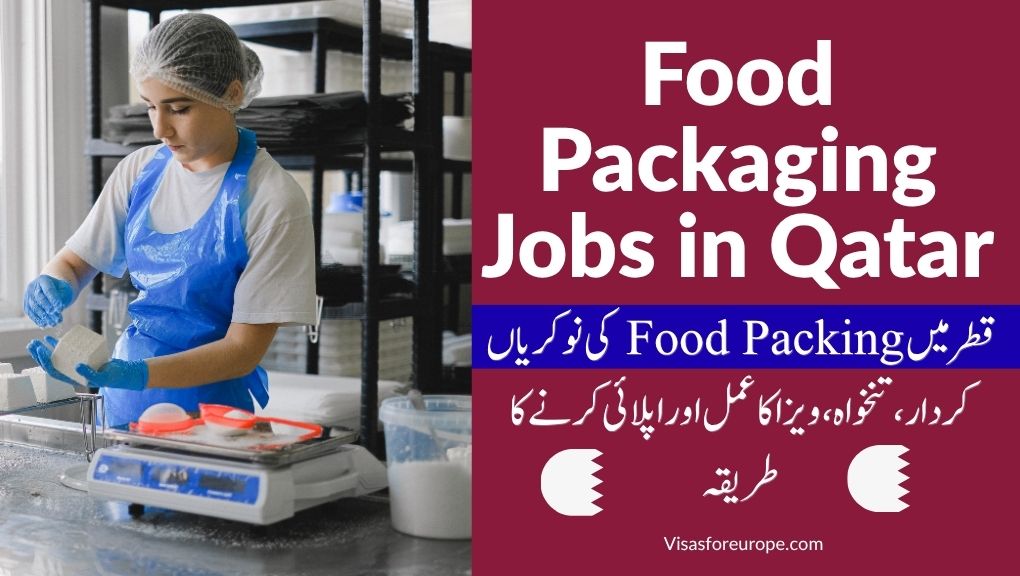
Qatar imports most of its food, and that food has to be sorted, packed, labelled and shipped before it reaches your table. Behind every supermarket shelf in Doha is a chain of people working in factories, cold stores and distribution centres. That chain is why food packaging jobs in Qatar are some of the most accessible entry points into the Gulf job market.
Many workers from South Asia, Southeast Asia and Africa choose this field because it usually asks for practical skills rather than advanced degrees. But it’s also a field where job seekers fall for fake offers and pay illegal recruitment fees.
This guide covers what these jobs involve, what they pay, which skills help you stand out, how the visa process works, and how to apply safely.
Why Food Packaging Is a Growing Sector in Qatar
Qatar’s population is concentrated in and around Doha, and the country has invested heavily in food security over the past several years. Local dairy, poultry, bakery, beverage and ready-meal production have expanded, and each of these needs packaging teams.
Several factors keep demand steady:
- A large expatriate population that consumes packaged and ready-to-eat food every day.
- Retail growth, with hypermarkets, convenience stores and online grocery delivery all needing packed products.
- A thriving hospitality sector, including hotels, catering companies and airline kitchens that buy portioned and sealed food.
- Government focus on local production, which pushes more factories to operate within the country.
For job seekers, this means steady hiring across skill levels, from basic packers to experienced production supervisors.
Types of Food Packaging Jobs Available in Qatar
“Packaging” is a broad label. The roles below cover most of what you’ll see advertised.
Entry-Level Roles
- Food Packer / General Packer: Places products into boxes, pouches, trays or cartons, and checks that each pack looks right.
- Production Helper: Supports the line by feeding raw materials, moving trays and keeping the area clean.
- Labeller: Applies labels, batch numbers and expiry dates by hand or using simple equipment.
- Sorter / Grader: Separates produce, meat or baked goods by size, weight or quality before packing.
Skilled and Semi-Skilled Roles
- Machine Operator (Packaging Line): Runs sealing, filling, wrapping or bottling machines and fixes minor jams.
- Forklift Operator: Moves pallets of finished goods between production and storage.
- Warehouse Assistant: Handles stock, picking, loading and basic inventory records.
- Maintenance Technician: Keeps packaging machines running through preventive checks and repairs.
Supervisory and Technical Roles
- Production Supervisor / Line Leader: Manages a team, hits daily targets and enforces hygiene rules.
- Quality Control (QC) Inspector: Checks seals, weights, labels and visual standards against food-safety requirements.
- Food Safety Officer: Ensures compliance with HACCP and similar systems.
- Packaging Engineer or Technologist: Designs or improves packaging formats and materials.
Daily Duties: What You’ll Actually Do
Knowing the reality of the job helps you decide whether it suits you. A typical packer’s day may include:
- Preparing the line: wearing clean uniform, gloves, hairnet and mask, then washing hands as required.
- Packing the product: following a set method for quantity, weight and presentation.
- Checking quality: removing damaged items and making sure seals and labels are correct.
- Recording information: noting batch numbers and counts on a log sheet.
- Cleaning and resetting: sanitising tools and surfaces at the end of each shift.
The work is repetitive, often done standing for long periods, and sometimes in cold rooms for chilled or frozen products. It rewards people who are careful, punctual and comfortable with routine.
Typical Salary and Benefits
Pay depends on the employer, your experience and the role. The figures below are general, approximate ranges and can change, so always confirm the exact terms in your written contract.
| Role | Approximate Monthly Pay (QAR) |
|---|---|
| Packer / Production Helper | 1,000 – 1,800 |
| Machine Operator | 1,800 – 3,000 |
| Forklift Operator | 1,800 – 3,000 |
| QC Inspector | 2,500 – 4,500 |
| Production Supervisor | 3,500 – 6,500 |
Qatar has a non-discriminatory minimum wage that applies to all workers regardless of nationality. It consists of a basic wage plus allowances for food and housing when the employer doesn’t provide them directly. Always check that your offer meets or exceeds the current legal minimum.
Common Benefits
- Accommodation (often shared company housing) or a housing allowance
- Food provided or a meal allowance
- Transport between housing and the workplace
- Medical coverage as required by law
- Overtime pay for approved extra hours
- Annual leave and an air ticket home, depending on the contract
- End-of-service benefits after completing the required period
Skills and Qualifications That Employers Want
Most packing roles don’t require a degree, but the right profile gets you shortlisted faster.
For Entry-Level Applicants
- Basic fitness and the stamina to stand for 8–10 hours
- Willingness to follow hygiene and safety instructions
- Attention to detail, since a wrong label can mean a rejected batch
- Basic English or Arabic, or at least enough to understand safety signs and instructions
- A clean medical record, as required for food handling
For Skilled and Supervisory Roles
- Previous experience in a food factory, bakery, dairy or cold chain
- Knowledge of HACCP, GMP and ISO 22000 principles
- Familiarity with packaging machinery
- Forklift licence or technical diploma where relevant
- Basic computer skills for logs and reports
- Leadership and communication skills for line management roles
Certificates Worth Having
A food handler or food hygiene certificate, a HACCP awareness course and a valid forklift certificate can make a real difference. These are inexpensive compared with the salary boost they can bring.
Where to Find Food Packaging Jobs in Qatar
Major Employer Categories
- Dairy and beverage producers
- Poultry, meat and seafood processing companies
- Bakeries and flour mills
- Large retail and hypermarket chains with their own packing and distribution centres
- Catering and airline-kitchen companies
- Third-party logistics and cold-storage firms
Many of these operate in the Industrial Area near Doha, which houses factories, warehouses and workshops. Other facilities are located in areas such as Umm Al Houl and around Hamad Port-related logistics zones.
Reliable Job Search Channels
- Official company career pages, which are the safest source
- Reputable job portals that verify employers
- Licensed recruitment agencies registered in your home country
- Professional networking sites where companies post openings directly
- Referrals from people already working at the company
Step-by-Step: How to Apply for Food Packaging Jobs in Qatar
Step 1: Prepare a Simple, Clear CV
Keep it to one or two pages. List your work history, skills, certificates, languages and contact details. Add a recent passport-style photo if the employer requests it.
Step 2: Check Your Documents
Make sure your passport is valid for at least six months. Keep scanned copies of your certificates, experience letters and ID ready.
Step 3: Apply and Interview
Employers may interview by phone or video, or hold trade tests for machine operators. Expect questions about your experience, willingness to work shifts and understanding of hygiene.
Step 4: Review the Offer and Contract
Read it carefully. It should state your job title, salary, working hours, accommodation, duration and benefits. Don’t travel without a signed contract.
Step 5: Complete Medical and Visa Procedures
Qatar runs Qatar Visa Centres (QVCs) in several origin countries, where medical tests, fingerprints and contract processing are handled. This system exists to make recruitment more transparent and to reduce document fraud.
Step 6: Travel and Complete Local Formalities
After arrival, your employer handles the residence permit (QID) process and any further medical checks. Keep your own copy of every document.
How to Avoid Job Scams and Illegal Recruitment Fees
Because these jobs attract large numbers of applicants, scammers target them. Protect yourself with these rules:
- Never pay recruitment fees yourself. Under Qatari law, employers are responsible for recruitment costs. If someone demands money, treat it as a red flag.
- Verify the company. Search for its official website and contact details, and confirm the offer directly with them.
- Beware of offers that are too good. Very high pay for unskilled work is a classic warning sign.
- Be cautious with free email addresses. Genuine companies use official domain emails.
- Never hand over your original passport to an unlicensed agent.
- Insist on a written contract in a language you understand before you leave home.
- Don’t trust messages that rush you. Pressure to pay “today or lose the job” is a tactic.
If you suspect a scam, report it to the relevant authorities in your home country and Qatar’s Ministry of Labour.
Working Conditions and Your Rights in Qatar
Qatar has introduced major labour reforms in recent years. Workers can now change jobs without the earlier exit-permit and no-objection-certificate restrictions that applied under the old system, and there is a dispute-resolution mechanism for labour complaints. Wages must be paid on time, and the government has strengthened wage-protection monitoring.
What to Expect on the Job
- Working hours are typically around 8 hours a day, with overtime paid at a higher rate.
- Summer heat rules restrict outdoor work during the hottest hours, though most food factories are indoors and air-conditioned.
- Safety equipment such as gloves, masks and uniforms should be provided free.
- Rest days and annual leave are defined by law and your contract.
If you face wage delays or unfair treatment, you can file a complaint through the official labour channels. Keep copies of your contract, payslips and messages as evidence.
Tips to Get Hired Faster and Grow Your Career
- Get hygiene certified. A food-handler certificate shows you take safety seriously.
- Learn basic English or Arabic. Even simple phrases improve communication and promotion chances.
- Be flexible about shifts. Many plants run multiple shifts, and flexible candidates get priority.
- Learn machine skills. Moving from packer to machine operator is the quickest way to a higher salary.
- Build a record of reliability. Good attendance and low error rates get noticed by supervisors.
- Study quality systems. Learning HACCP and ISO standards opens the door to QC and supervisory roles.
- Network respectfully. Colleagues and supervisors often know about openings before they’re advertised.
Living and Saving Money in Qatar
Many workers choose these jobs to support families back home, so planning your finances matters.
- Use company housing and meals if provided, as this cuts costs sharply.
- Send money home through licensed exchange houses or banks for better rates and security.
- Keep an emergency fund of at least one month’s salary.
- Avoid unnecessary loans or informal moneylenders.
- Track your expenses monthly so small spending doesn’t erase your savings.
Pros and Cons of Working in Food Packaging
Advantages
- Low entry barrier and steady demand
- Pay is often supplemented by housing, food and transport
- Clear career steps from packer to supervisor
- Skills are transferable to other Gulf countries
Challenges
- Repetitive work and long standing hours
- Shift work, including nights
- Time away from family
- Cold environments in chilled and frozen units
Weighing these honestly helps you decide before committing to a contract.
Conclusion
Food packaging jobs in Qatar offer a practical route to stable overseas income, especially for people starting out. Demand is supported by Qatar’s large population, expanding food industry and focus on local production. The best-prepared candidates arrive with the right documents, a few useful certificates, realistic salary expectations and a firm understanding of their rights.
Above all, protect yourself during recruitment. Verify employers, never pay illegal fees and read your contract before you sign. With careful preparation, a packing job can be the first step toward a long and rewarding career in the food industry.
Frequently Asked Questions (FAQ)
1. Do I need experience for food packaging jobs in Qatar?
Not always. Many packer and helper roles accept freshers and provide on-the-job training. Machine operator, QC and supervisory positions usually require experience.
2. What is the average salary of a packer in Qatar?
It generally falls in the range of about QAR 1,000 to 1,800 per month, plus possible housing, food and transport. Check the current legal minimum wage and your contract for exact terms.
3. Is knowing English or Arabic compulsory?
It isn’t always compulsory for basic roles, but basic communication helps with safety, teamwork and promotion.
4. Can I be charged a recruitment fee?
Under Qatari law, recruitment costs should be paid by the employer, not the worker. If you’re asked to pay, be cautious and verify through official channels.
5. What documents do I need to apply?
A valid passport, CV, photographs, educational or experience certificates, and any relevant licences or training certificates.
6. Are accommodation and food provided?
Many employers provide shared accommodation and either meals or a food allowance. This should be written in your contract.
7. Can I change my job after joining?
Qatar’s reformed labour system allows workers to change jobs under defined rules, without the older restrictions. Review the current regulations and your contract terms before doing so.
8. How can I check if a job offer is genuine?
Confirm it on the company’s official website, contact them directly, and use only licensed agencies. Never rely solely on social-media messages.
9. Which certificates help the most?
Food hygiene or food-handler certification, HACCP awareness and a forklift licence are especially valuable.
10. Is it a good career choice?
For many people, yes. It offers a low entry barrier, steady demand and growth opportunities, provided you choose a legitimate employer and understand your contract.