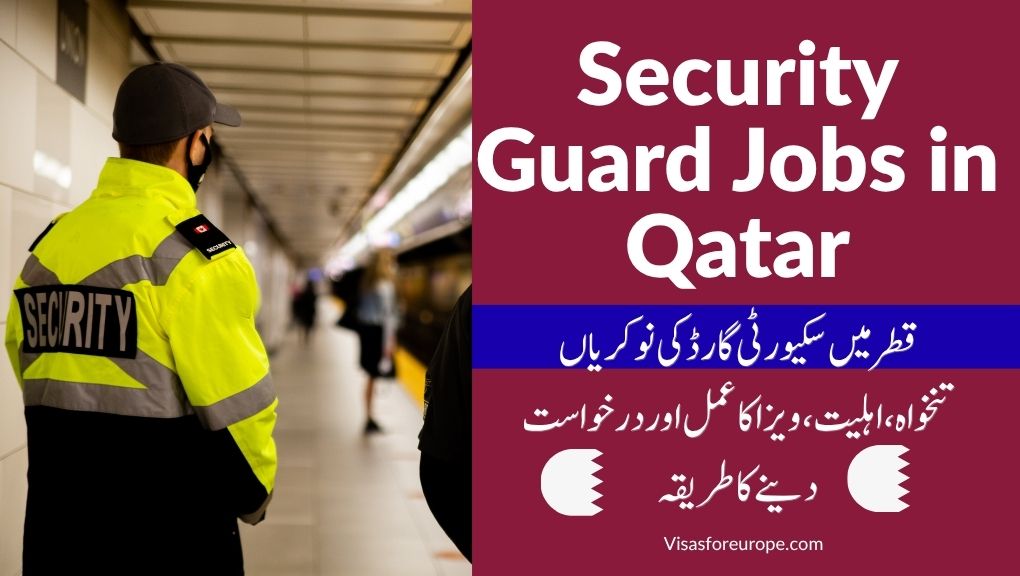
Qatar has become one of the most talked-about destinations in the Gulf for skilled and semi-skilled workers. Its skyline keeps growing, its malls and hotels stay busy, and its stadiums, hospitals, and corporate towers all need round-the-clock protection. That is why security guard jobs in Qatar remain a popular choice for people from South Asia, Africa, and Southeast Asia who want stable work abroad.
But popularity brings confusion. Many job seekers hear different salary figures, don’t know which documents they need, or fall for fake agents who ask for money. This guide covers what a security guard actually does in Qatar, what you can realistically earn, who is eligible, how the visa process works, and how to avoid scams.
Rules and wages can change, so treat the figures here as a general guide and confirm current details with official Qatari authorities and your employer before making decisions.
Why Security Guard Jobs in Qatar Are in Demand
Qatar’s economy depends heavily on construction, hospitality, retail, energy, healthcare, and large public events. All of these need trained people to protect property and manage access. Demand comes from:
- Shopping malls and retail complexes that need entrance monitoring and crowd management
- Residential towers and compounds that need gate control and visitor checks
- Hotels and resorts that need lobby, parking, and patrol security
- Construction sites that need to protect expensive equipment and materials
- Corporate offices and banks that need access control
- Hospitals, schools, and universities that need safe, orderly campuses
- Event venues and stadiums that need large teams for crowd control
The 2022 FIFA World Cup showed how large Qatar’s security needs can be, and the country has continued to host international sporting and business events since. That keeps hiring steady across the sector.
What Does a Security Guard Do in Qatar?
Duties vary by site, but most roles include a mix of the following.
Core Responsibilities
- Access control: Checking IDs, logging visitors, and managing entry and exit points
- Patrolling: Walking or driving through the premises at set intervals
- Monitoring: Watching CCTV screens and alarm systems
- Incident reporting: Writing clear, factual reports on any unusual event
- Emergency response: Following fire, medical, or evacuation procedures
- Customer service: Helping visitors with directions and basic queries politely
Types of Security Roles
- Static guard: Stays at one post, such as a gate or reception desk
- Patrol guard: Moves around a building or compound
- CCTV operator: Works in a control room
- Event security staff: Hired for exhibitions, concerts, and sports events
- Supervisor: Manages a team of guards and handles scheduling and reports
Many people begin as static guards and move up to supervisor after proving reliability and communication skills.
Qatar Security Guard Salary: What Can You Expect?
Salary is the first thing most applicants ask about. In Qatar, security guard pay is generally modest compared with skilled trades, but the total package often includes extras that matter a lot.
Typical Salary Range
Entry-level security guards commonly earn somewhere in the range of QAR 1,000 to QAR 2,500 per month, depending on the employer, the site, experience, and whether housing and food are provided. Supervisors and specialized staff can earn more.
Understanding the Minimum Wage
Qatar introduced a non-discriminatory minimum wage that applies to all workers regardless of nationality. It consists of a basic wage plus allowances for food and housing if the employer does not provide them directly. Confirm the current figures with the Ministry of Labour, since they can be revised.
Common Benefits to Look For
- Free accommodation in a shared labour camp or staff housing
- Food allowance or meals
- Transportation to and from the work site
- Health coverage as required by law
- Overtime pay for extra hours
- Annual flight ticket in many contracts
- End-of-service gratuity after completing the qualifying period
No Income Tax
Qatar does not charge personal income tax on salaries. That means your take-home pay is close to your stated wage, which helps when you are saving money to send home.
Eligibility and Requirements
Requirements differ between companies, but most employers look for the following.
Basic Requirements
- Age: Usually between 21 and 45 years
- Education: Minimum school-level education; some employers prefer high school completion
- Physical fitness: Good health, stamina, and the ability to stand or walk for long shifts
- Clean record: A police clearance certificate from your home country
- Language: Basic English; Arabic is a strong advantage
- Height and build: Some employers set minimums, especially for event or VIP security
Preferred Qualifications
- Prior experience in security, police, military, or a related field
- Basic first aid and fire safety training
- Familiarity with CCTV and access control systems
- Good communication and conflict-resolution skills
Freshers can still get hired, particularly by large security contractors that run their own induction programmes.
Documents You Will Need
Keep these ready before you start applying:
- Valid passport with at least 6 months’ validity, ideally more
- Updated CV or resume
- Educational certificates
- Experience letters, if you have them
- Police clearance certificate
- Passport-size photographs with a white background
- Medical fitness report from an approved centre
- Training certificates, such as security, first aid, or fire safety courses
Where possible, get important documents attested as your employer or the Qatari authorities require.
Step-by-Step: How to Apply for Security Guard Jobs in Qatar
Step 1: Prepare a Clear, Honest CV
Keep it to one page. List your experience, training, languages, and contact details. Never exaggerate or invent experience. Employers do verify, and a false claim can cost you the job or your visa.
Step 2: Search in the Right Places
Use trustworthy channels:
- Official company career pages of known security firms and facility management companies
- Reputable job portals that verify employers
- Licensed recruitment agencies in your home country
- Direct references from friends or relatives already working with a genuine employer
Step 3: Attend the Interview
Interviews are often by phone or video, and sometimes in person at a recruitment office. Expect questions about your experience, how you would respond to an incident, your willingness to do shift work, and your understanding of the contract.
Step 4: Read the Job Offer and Contract Carefully
Check the salary, working hours, accommodation, food, overtime, leave, and contract length. The terms should match what was promised verbally. If anything is unclear, ask for it in writing before you sign.
Step 5: Complete Medical and Biometric Procedures
Qatar has set up visa centres in several countries where workers complete medical tests, fingerprints, and contract processing before travel. Your employer or agency should explain exactly where to go.
Step 6: Receive Your Visa and Travel
Your employer applies for your work visa through the Qatari system. Once approved, you travel, complete residence permit formalities, and get your Qatar ID.
Understanding Qatar’s Work Visa System
Qatar has reformed its labour system in recent years. Under current rules, workers are generally no longer required to get an exit permit from their employer to leave the country, and changing jobs no longer requires a no-objection certificate (NOC) from the current employer in most cases, subject to notice and contract rules. This was a significant change from the older sponsorship model.
Your employer still handles your residence permit, so make sure the company is registered and legitimate. You should also keep your own passport. Employers are not supposed to hold workers’ passports without consent.
Because regulations are updated periodically, check the Ministry of Labour and the Ministry of Interior websites for the latest guidance.
Working Conditions and Daily Life
Working Hours
The legal limit is generally 8 hours a day and 48 hours a week, with shorter hours in Ramadan. Security shifts can run in rotation, including nights and weekends, so be ready for flexible schedules.
Dealing with the Heat
Summers in Qatar are extremely hot, often exceeding 40°C. There are restrictions on outdoor work during the hottest part of the day in summer months, but guards at outdoor posts should still:
- Drink water regularly
- Take shade and rest breaks when permitted
- Wear breathable, appropriate uniform fabrics
- Report any signs of heat exhaustion immediately
Accommodation and Lifestyle
Staff housing is usually shared, with several workers per room. Standards vary by employer, so ask about room size, facilities, and location before accepting. Many workers cook together, share transport, and form tight communities. Qatar has large South Asian and Filipino populations, so food, language, and cultural support are easy to find.
Cultural Awareness
Qatar is a conservative Muslim country. Respect local customs, dress modestly outside work, and follow the laws, including those related to alcohol, public behaviour, and social media. Learning a few basic Arabic phrases will earn you respect.
Your Rights as a Worker
Knowing your rights protects you. Under Qatari labour law, workers are entitled to things such as:
- A written contract in a language you understand
- Timely payment of wages, which are paid through an electronic wage protection system
- Paid annual leave, generally at least three weeks, increasing after longer service
- End-of-service gratuity after completing one year, calculated on your basic wage
- A safe workplace and protection from forced labour
- A way to file complaints with the Ministry of Labour if wages are unpaid or contracts are violated
Keep copies of your contract, payslips, and any messages with your employer. If a dispute arises, documentation makes your case much stronger.
How to Avoid Job Scams
Fake job offers targeting Gulf-bound workers are common. Protect yourself with these rules.
Red Flags
- Anyone asking for large “visa fees” or “recruitment fees.” Under Qatari law, workers should not be charged recruitment fees; the employer bears these costs
- Offers that promise unrealistically high salaries for little work
- Recruiters who communicate only on social media or messaging apps and refuse to give a company address
- Pressure to pay quickly or lose the opportunity
- A visa or contract that doesn’t match the job promised
- Requests to travel on a tourist or visit visa to “convert it later”
How to Verify an Offer
- Search for the company’s official website and contact it directly
- Confirm the recruitment agency is licensed in your country
- Ask for the contract and visa documents in writing
- Check with your country’s embassy or labour office if in doubt
If an offer feels too good to be true, it almost always is.
Career Growth in Qatar’s Security Sector
Security work can be more than a first job abroad. With effort, you can build a path:
- Guard to senior guard to supervisor within the same company
- Specialized training in CCTV, fire safety, or crowd management
- Control room or operations roles
- Facility management positions, where security is one part of a broader job
- Better-paying contracts with large international security providers
Improving your English, picking up Arabic, and getting recognized certifications can all raise your earning potential over time.
Pros and Cons of Security Guard Jobs in Qatar
Advantages
- Tax-free income
- Frequent provision of housing, food, and transport
- Steady demand for workers
- Chance to gain international experience
- Reformed labour rules offering stronger protections than before
Challenges
- Modest starting salaries
- Long shifts and night duty
- Extreme summer heat
- Time away from family
- Shared accommodation with limited privacy
Weigh these honestly against your family’s needs and your savings goals.
Tips to Improve Your Chances of Getting Hired
- Learn basic English and Arabic phrases. Even a little communication skill sets you apart
- Get a short security or first aid course before applying
- Stay physically fit, since many employers test stamina
- Be professional in interviews: neat appearance, punctual, polite
- Keep documents organized and valid
- Apply to multiple genuine employers instead of waiting on one offer
Conclusion
Security guard jobs in Qatar can be a practical way to earn a steady, tax-free income, support your family, and gain international work experience. The pay is not high, but benefits like accommodation, food, and transport can stretch your savings further. Success depends on preparing the right documents, choosing a genuine employer, understanding your contract, and knowing your rights.
Above all, never pay anyone for a job offer, and verify every recruiter independently. A careful, informed approach protects you from scams and sets you up for a safe, rewarding time in Qatar.
Frequently Asked Questions (FAQ)
1. How much do security guards earn in Qatar?
Entry-level guards commonly earn roughly QAR 1,000 to QAR 2,500 per month, depending on the employer and whether housing and food are included. Supervisors can earn more.
2. Do I need experience to get a security guard job in Qatar?
Not always. Many companies hire freshers and provide basic training, though prior experience or a security-related background improves your chances.
3. Is accommodation provided for security guards?
Often yes. Many employers provide shared housing, food, and transport, but this varies, so confirm it in your written contract.
4. Can I apply for a security job on a visit visa?
This is risky and often discouraged. The safe route is a proper work visa arranged by a registered employer before you travel.
5. Do I have to pay a recruitment fee?
Under Qatari law, workers should not be charged recruitment fees. If someone demands payment for a job offer, treat it as a warning sign.
6. Is there income tax in Qatar?
No. Qatar does not levy personal income tax on salaries.
7. Can I change jobs in Qatar?
Reforms have made it easier to change employers without the old NOC requirement, but notice periods and contract terms still apply. Check the current rules with the Ministry of Labour.
8. What languages do I need?
Basic English is usually enough. Arabic is a useful bonus, especially for customer-facing posts.