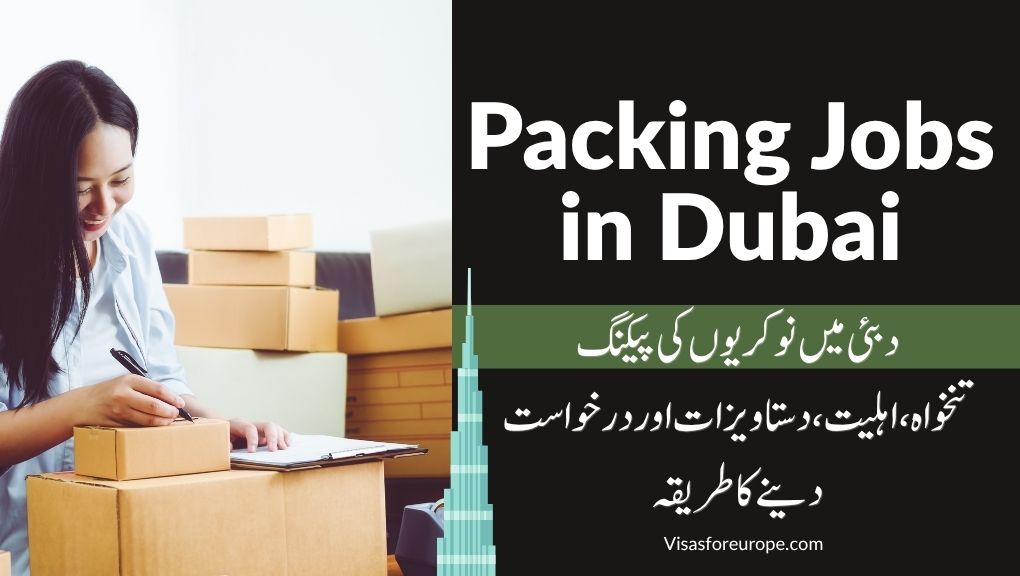
Dubai is one of the busiest trade and logistics centres in the world. Every day, millions of products move through its ports, free zones, warehouses, and online delivery networks. Behind every parcel that reaches a customer’s door, there is a person who sorted it, checked it, and packed it carefully. That person is a packer.
Packing jobs in Dubai are among the most accessible entry-level opportunities in the UAE. They usually don’t require a university degree, advanced English, or years of experience, which is why thousands of job seekers from South Asia, Africa, and other regions apply for them every year.
But there is also a lot of confusion and misinformation online. Fake agents, “guaranteed visa” promises, and upfront fee demands trap many hopeful applicants. This guide gives you a clear, honest picture: what packing jobs involve, what you can expect to earn, what documents you need, how to apply the right way, and how to protect yourself from fraud.
Why Dubai Is a Hotspot for Packing Jobs
Dubai’s economy depends heavily on trade, retail, and logistics. Several factors keep demand for packers high:
- Jebel Ali Port and Free Zone: One of the largest ports in the world, with thousands of companies handling import, export, and re-export.
- E-commerce growth: Online shopping has expanded rapidly across the Gulf, creating a constant need for order pickers and packers.
- Dubai Airport Free Zone and Dubai South: Major logistics clusters with large fulfilment centres.
- Retail and tourism: Malls, supermarkets, and gift and souvenir businesses need products packed, labelled, and shipped.
- Food and beverage industry: Manufacturers and distributors need trained hands for hygienic food packaging.
Because so many industries rely on packaging, the demand is steady throughout the year, with peaks around Ramadan, Eid, the Dubai Shopping Festival, and the end-of-year sales season.
What Does a Packer Actually Do?
The job title sounds simple, but responsibilities vary by workplace. In general, a packer is responsible for preparing goods so they reach customers safely and on time.
Common Daily Duties
- Picking items from shelves according to order lists
- Checking products for damage, expiry dates, and quantity
- Wrapping, boxing, sealing, and labelling items
- Using tape guns, stretch wrap, bubble wrap, and strapping tools
- Scanning barcodes and updating stock records
- Stacking packed cartons on pallets
- Keeping the work area clean and organised
- Following safety and hygiene rules
Types of Packing Jobs in Dubai
1. Warehouse and logistics packers
These work in large storage facilities, preparing goods for shipping. This is the most common type.
2. E-commerce packing jobs
You pick, pack, and dispatch online orders. Speed, accuracy, and basic scanner use matter here.
3. Food packing jobs
Found in bakeries, catering companies, dairy plants, and processing units. Hygiene standards are strict, and you may need a food handler’s health card.
4. Factory and manufacturing packers
You pack finished products such as cosmetics, electronics, garments, or household goods on production lines.
5. Retail and gift packers
Shops, perfume stores, and gift businesses hire packers for presentation-quality wrapping.
6. Freight and cargo packers
These workers handle heavier or fragile cargo, including crating and palletising for export.
Packing Jobs in Dubai: Salary and Benefits
Salary is usually the first question applicants ask. The honest answer is that it varies by employer, industry, experience, and whether accommodation and transport are included.
Approximate Monthly Salary Range
| Job Type | Typical Monthly Range (AED) |
|---|---|
| Entry-level packing helper | 1,000 – 1,500 |
| Warehouse packer | 1,200 – 2,000 |
| E-commerce packer / picker | 1,500 – 2,200 |
| Experienced packer / team lead | 2,000 – 3,000+ |
These are rough market estimates and can change. Always confirm the exact figure in your written offer letter and contract.
Common Benefits
Many employers, especially larger logistics and manufacturing companies, offer some of the following:
- Employment visa sponsored by the employer
- Accommodation in a labour camp or shared housing
- Transport between the accommodation and the workplace
- Medical insurance (mandatory in Dubai)
- Overtime pay for extra hours
- Annual leave and an air ticket home, depending on the contract
- End-of-service gratuity after completing the qualifying period
When comparing offers, don’t look at the headline salary alone. A job paying AED 1,400 with free housing and transport can leave you with more savings than one paying AED 1,800 where you cover everything yourself.
Eligibility and Skills Required
One reason packing jobs are popular is their low barrier to entry. Still, employers look for certain basics.
Basic Eligibility
- Age: Usually 18 to 45 years
- Education: Generally no formal degree required; basic literacy helps
- Physical fitness: You may stand for long hours and lift cartons
- Medical clearance: A fitness test is part of the visa process
- Clean record: A valid passport and no legal issues
Skills That Help You Stand Out
- Attention to detail, since wrong items or labels cause costly returns
- Speed with accuracy
- Basic English or Arabic for understanding instructions
- Teamwork and reliability
- Willingness to work shifts and overtime
- Familiarity with barcode scanners or warehouse software (a bonus)
- Awareness of workplace safety
You don’t need all of these. A willing, punctual, and careful worker is often preferred over a “qualified” candidate who is inconsistent.
Documents You Need to Apply
Preparing your paperwork in advance speeds up the process and shows employers you’re serious.
Core Documents
- Valid passport with at least 6 months of validity remaining
- Passport-size photographs with a white background
- Updated CV or resume (one page is enough for entry-level roles)
- Educational certificates (if available)
- Experience letters from previous jobs (if any)
- Police clearance certificate, sometimes requested by the employer or required at a later stage
After Selection
- Medical fitness test (done as part of the visa procedure)
- Emirates ID biometrics after arrival
- Signed labour contract registered with the UAE’s labour authorities
Keep both digital and physical copies of everything, and never hand over your original passport to an agent or employer without understanding why and for how long.
How to Find Legitimate Packing Jobs in Dubai
The method you choose matters more than most people realise. Here are the safest and most reliable routes.
1. Official and Government-Linked Channels
The UAE’s Ministry of Human Resources and Emiratisation (MoHRE) runs official services for work permits and contracts. Check its website and app to verify that a company is registered and that a job offer is genuine.
2. Reputable Job Portals
Established portals such as LinkedIn, Bayt, Naukrigulf, and GulfTalent list verified employers. Search using terms like “packer,” “warehouse assistant,” or “packing helper,” and filter by Dubai.
3. Company Career Pages
Large logistics, retail, and manufacturing companies often post openings directly on their own websites. Applying here removes the middleman entirely.
4. Licensed Recruitment Agencies
If you apply from your home country, use only agencies licensed by your own government’s overseas employment authority. Ask for the licence number and verify it independently.
5. Walk-in Interviews and Referrals
If you are already in the UAE legally, walk-in recruitment drives and referrals from trusted colleagues can be very effective. Many warehouses prefer hiring through staff recommendations.
Step-by-Step Application Process
Here’s what a typical journey looks like, from search to your first day.
- Prepare your CV and documents. Keep them clean, accurate, and updated.
- Search and shortlist employers. Focus on companies with a verifiable presence and reviews.
- Apply and communicate professionally. Use a polite message and a simple CV.
- Attend the interview. It’s often a short phone, video, or in-person chat covering your background, availability, and expectations.
- Receive a written offer letter. Read the salary, working hours, accommodation, and leave terms carefully.
- Visa processing. The employer applies for your work permit and entry permit. This is the employer’s responsibility.
- Medical test and biometrics. Complete these as instructed.
- Travel and sign the labour contract. Make sure the contract matches the offer letter.
- Begin work and settle in. Learn your site rules, safety instructions, and shift pattern.
Warning: How to Avoid Packing Job Scams in Dubai
This is the most important section of this guide. Fake job offers targeting people who want to work in Dubai are common, and the packing and labour category is a favourite target.
Red Flags to Watch For
- Upfront fees: Under UAE labour rules, the worker should not be charged recruitment costs. If someone demands money for a “visa,” “job guarantee,” or “processing,” treat it as a serious warning sign.
- Offers without any interview
- Messages from personal WhatsApp numbers or free email addresses (Gmail, Yahoo) instead of company domains
- Unrealistic salary promises for unskilled roles
- Pressure to pay immediately or “lose the seat”
- A tourist or visit visa offered as a “job visa”, which is not a valid way to take up employment
- No written contract or offer letter
How to Protect Yourself
- Verify the company’s trade licence and physical address
- Confirm the offer through MoHRE channels
- Ask for the offer letter and contract in writing before you travel
- Search the company name along with the word “complaint” or “scam”
- Speak to current or former employees if possible
- Never share your bank PIN, passwords, or OTP with anyone
If it sounds too good to be true, it almost certainly is.
Working Conditions and Daily Life as a Packer
Knowing what daily life looks like helps you decide whether this path suits you.
Working Hours
A standard shift is usually about 8 hours per day, with weekly rest days as per the labour law. Overtime is common in busy periods and should be paid at the rates mentioned in your contract.
The Heat Factor
Dubai summers are intense. UAE regulations include a midday break for outdoor work during summer months, and indoor warehouses are generally air-conditioned or ventilated. Still, drink plenty of water and follow your employer’s safety guidance.
Accommodation and Costs
If your employer provides housing, you will typically share a room with colleagues. If not, shared accommodation in areas such as Deira, Al Quoz, Sharjah, or Al Qusais is a common choice for those on modest incomes. Factor transport, food, phone, and remittance costs into your budget.
Safety and Rights
You’re entitled to a safe workplace, timely salary payment (usually through the Wage Protection System), and fair treatment. If your employer violates your contract, you can file a complaint with MoHRE.
Career Growth: Where Can a Packing Job Lead?
A packing job doesn’t have to be a dead end. Many workers use it as a stepping stone.
Possible progression:
- Packer → Senior Packer → Team Leader
- Packer → Inventory or Stock Controller
- Packer → Forklift Operator (after certification)
- Packer → Dispatch Coordinator or Logistics Assistant
- Packer → Warehouse Supervisor
Ways to Move Up
- Learn warehouse software and inventory systems
- Earn a forklift or safety certification, which often increases pay
- Improve your English and basic Arabic
- Be reliable. Supervisors promote people they can depend on.
- Take on extra responsibility such as quality checks or training new joiners
With a couple of years of experience and good references, your earning potential and job options in the UAE logistics sector can grow significantly.
Tips to Get Hired Faster
- Keep your CV short and clear. Employers screen hundreds of applications.
- Highlight relevant experience, even if informal, such as shop work, stock handling, or factory work.
- Be honest about your abilities. Overstating skills usually backfires on the job.
- Be flexible about shifts and location. This increases your chances.
- Respond quickly to recruiter calls and messages.
- Dress neatly and be punctual for interviews.
- Apply to several employers at once rather than waiting on a single reply.
- Stay updated. Check job portals regularly, as warehouse roles fill fast.
Conclusion
Packing jobs in Dubai offer a realistic entry point into the UAE job market, especially for people without advanced qualifications. With steady demand across logistics, e-commerce, retail, and manufacturing, there are genuine opportunities for those who approach the process carefully.
The key points to remember are simple. Apply through verified channels, insist on a written offer and contract, never pay anyone for a job offer, and compare the full package, not just the salary. Work hard, build your skills, and a packing role can become the start of a long and rewarding career in logistics.
Do your research, protect yourself from scams, and take the first step with confidence.
Frequently Asked Questions (FAQ)
1. Do I need experience to get a packing job in Dubai?
Not necessarily. Many employers hire freshers for entry-level packing and helper roles and train them on the job. Previous warehouse, retail, or factory experience helps but is rarely mandatory.
2. What is the average salary for a packer in Dubai?
Entry-level packers commonly earn in the range of AED 1,000 to 2,000 per month, while experienced workers and team leads can earn more. The exact figure depends on the employer, and benefits such as housing and transport also affect your real earnings.
3. Should I pay an agent to get a packing job in Dubai?
No. Under UAE labour rules, recruitment costs are the employer’s responsibility, and workers should not be charged for visas or job placement. Be very cautious of anyone demanding money upfront.
4. Can I get a packing job in Dubai on a visit visa?
Employment on a visit or tourist visa is not legitimate. You need a proper employment visa and a registered labour contract. Legitimate employers will process your work permit through the official system.
5. How can I check whether a Dubai job offer is genuine?
Verify the company’s trade licence, confirm the offer through MoHRE, insist on a written offer letter and contract, and avoid anyone who communicates only through personal messaging accounts or asks for payment.
6. Is English required for packing jobs?
Basic English is helpful for understanding instructions and safety rules, but many packing roles do not require fluency. Knowing some Arabic or Hindi/Urdu can also help in mixed-language workplaces.
7. Are there packing jobs for women in Dubai?
Yes. Women are commonly hired in food packing, retail packaging, cosmetics, and e-commerce fulfilment roles. Check the specific employer’s requirements and working conditions.
8. How long does the visa process take?
It varies, but after you accept an offer, the work permit, medical test, and visa stamping typically take a few weeks. Your employer should keep you updated throughout.
9. Can I switch jobs after joining?
Yes, but you should follow the legal notice and contract terms and ensure your work permit is properly transferred or cancelled. Leaving without following the process can lead to complications.
10. Is a packing job a good long-term career?
It can be a strong starting point. With added skills such as forklift certification, inventory management, and supervisory experience, many packers progress into higher-paying logistics roles.