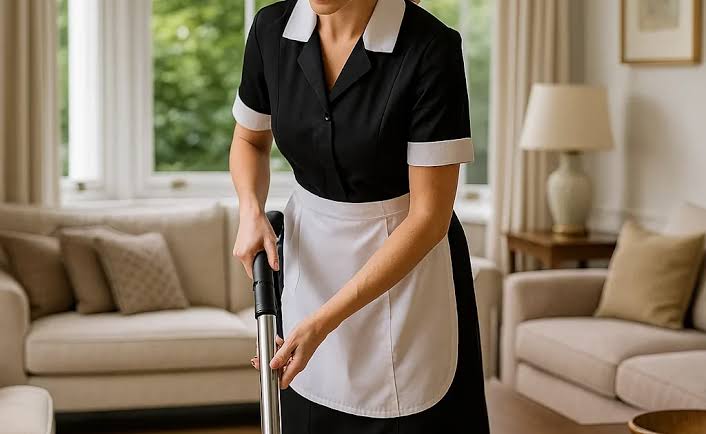
Every day, thousands of homes across Italy, from apartments in Milan to farmhouses in Tuscany, depend on professional cleaners and housekeepers. Domestic work is one of the largest employment sectors in the country, and it relies heavily on foreign workers.
That is why house cleaning jobs in Italy attract steady interest from people in South Asia, Eastern Europe, Latin America, and Africa. The work is accessible, does not usually require a university degree, and offers a way into the European job market.
However, this is also a topic full of misinformation. Fake agents promise “guaranteed visas” for cleaners and ask for large payments. This guide explains what the work involves, how legal employment works, what you might earn, and how to avoid costly mistakes.
Why Is There Demand for Cleaners in Italy?
Several trends keep demand for domestic and cleaning workers strong:
- An ageing population: Italy has one of the oldest populations in Europe, and many older people need help at home.
- Busy working families: Dual-income households often hire help for cleaning, laundry, and cooking.
- A growing hospitality sector: Hotels, bed-and-breakfasts, and holiday rentals need reliable cleaners, especially in tourist areas.
- Limited local supply: Many Italians prefer other careers, leaving gaps in the domestic labour market.
Read Also: Dairy Farm Jobs in Italy
This demand has created a well-established ecosystem of families, cooperatives, and agencies that regularly hire foreign workers.
Types of House Cleaning Jobs in Italy
“Cleaning job” covers several different roles. Understanding the differences helps you choose what suits you.
1. Domestic Cleaner (Colf)
In Italy, a colf (collaboratrice familiare) is a household helper who cleans, does laundry, irons, and sometimes cooks. Colf workers may work a few hours a week for several families or full-time for one household.
2. Live-In Housekeeper
You live in the employer’s home and handle daily household tasks. Accommodation and meals are often included, which reduces your living costs, but privacy and free time can be limited.
3. Hotel and B&B Housekeeper
You clean rooms, change linens, and prepare spaces for guests. This work is seasonal in many tourist areas, with peak demand in summer.
4. Commercial and Office Cleaner
Offices, shops, schools, and clinics hire cleaners through cleaning companies, often for early-morning or evening shifts.
5. Holiday Rental Turnover Cleaner
Platforms like short-term rentals have created demand for quick, thorough cleaning between guests, especially in cities like Rome, Florence, and Venice.
6. Care-Related Domestic Work (Badante)
A badante looks after elderly or disabled people at home. This role includes some cleaning but is mainly care work and has different expectations. It deserves its own research before you apply.
What Does the Daily Work Involve?
Typical duties for a house cleaner include:
- Dusting, vacuuming, and mopping floors
- Cleaning kitchens and bathrooms
- Washing windows and surfaces
- Doing laundry, ironing, and folding clothes
- Changing bed linen
- Taking out rubbish and following local recycling rules
- Occasionally shopping for groceries or light cooking, depending on the agreement
Italian homes often have marble, tile, or parquet floors, and families can be particular about how things are cleaned. Recycling rules in Italy are also strict, so you will need to learn how waste is sorted.
The work is physically tiring but flexible. Many cleaners work part-time for multiple households, which can increase income and reduce dependence on one employer.
How Much Do House Cleaners Earn in Italy?
Domestic work in Italy is covered by a national collective contract (CCNL) for domestic workers, which sets minimum pay, working hours, rest days, and other protections. Pay depends on your level, hours, and whether you live in or out.
In general terms:
- Hourly rates for part-time cleaners are often in the range of €7 to €12 per hour, depending on city, experience, and whether the work is declared legally.
- Full-time live-in workers typically earn a monthly wage, with room and board partly counted as part of the arrangement.
- Cities in the north, such as Milan and Bologna, generally pay more than smaller towns in the south.
- Experienced workers who speak Italian well can negotiate better rates.
These are approximate figures, not promises. Rates change, so always check the current collective contract and your written agreement. Legally employed workers also receive social security contributions (INPS), paid holidays, and a severance allowance, which are important long-term benefits.
Requirements: Who Can Apply?
Employers usually look for:
- Reliability and honesty, which matter more than anything because you work inside people’s homes
- Previous cleaning or domestic experience, though beginners can start with agencies or small households
- Basic Italian, since you need to understand instructions and communicate with families
- Physical fitness for lifting, bending, and long hours on your feet
- References from previous employers, if available
- A legal right to work in Italy
You do not generally need a formal qualification, but short courses in cleaning techniques, hygiene, or elderly care can improve your CV.
How Foreigners Can Legally Work in Italy as Cleaners
This is the most important section of the article. There is no visa you can buy, and no agent can guarantee one.
The Decreto Flussi (Quota System)
Each year, the Italian government publishes a decreto flussi, which sets quotas for foreign workers. Domestic and care work has often been included, though categories and numbers change each year.
The general process:
- An Italian employer applies online during the official application period.
- If approved, authorities issue a nulla osta (work authorisation).
- The worker applies for a work visa at the Italian embassy or consulate in their home country.
- After arrival, the worker signs the contract of stay and applies for a permesso di soggiorno (residence permit) within the required deadline.
The employer starts the process, not a middleman collecting fees from you. Because rules, quotas, and eligible countries change annually, check the Italian Ministry of Interior and the Italian embassy for current details.
Other Legal Routes
- EU citizens can work in Italy without a visa.
- People already holding a valid Italian residence permit that allows work can seek cleaning jobs within the limits of that permit.
- Certain family-related or humanitarian permits may also allow employment, depending on individual circumstances.
Step-by-Step: How to Find and Apply for Cleaning Jobs
Step 1: Prepare Your Documents
Gather your passport, a simple CV, and any references or certificates. Keep digital and printed copies.
Step 2: Build Your Italian
Even basic phrases help. Free apps, YouTube lessons, and community classes are good places to start.
Step 3: Search Through Legitimate Channels
- Official embassy and government websites
- Licensed recruitment agencies registered with your national overseas employment authority
- Italian cleaning companies and cooperatives
- Hotels and tourism employers
- Reputable job portals and community groups, with caution
Step 4: Verify the Employer
Confirm the employer’s identity and that they are able to apply through the official process. Ask questions. A genuine employer will not be offended.
Step 5: Insist on a Written Contract
The contract should state your tasks, hours, salary, rest days, accommodation (if any), and duration. Do not rely on voice notes or chat messages.
Step 6: Complete the Visa Process
Follow embassy instructions, attend any interview, and submit all required documents without shortcuts.
Warning: Avoid Job Scams
Fake “cleaning jobs in Italy” offers spread quickly on social media. Watch for these red flags:
- Agents asking for large upfront fees for a “guaranteed” visa
- Offers with no named employer or contract
- Pressure to pay quickly or “before the quota closes”
- Requests to pay into a personal account or by untraceable methods
- Advice to travel on a tourist visa and find work later
- Salaries that sound far too good to be true
How to stay safe:
- Verify any agent’s licence with your country’s official overseas employment office
- Confirm procedures with the Italian embassy
- Keep copies of messages, receipts, and documents
- Talk to someone who has actually gone through the legal process
Working without authorisation can lead to exploitation, unpaid wages, and deportation. It may also damage your chances of returning legally in the future.
Living and Working in Italy: What to Expect
Accommodation
Live-in workers usually get a room in the employer’s home. Others rent shared apartments, which can be expensive in big cities. Rents in northern cities tend to be higher than in smaller towns.
Culture and Etiquette
Italian households value punctuality, politeness, and respect for privacy. Greeting people properly and asking when unsure make a good impression.
Language
Learning Italian is the single best investment you can make. It improves your pay, your safety, and your independence.
Rights and Support
Legally employed domestic workers have rights to rest days, paid leave, and social security. Trade unions and workers’ associations in Italy offer free or low-cost help with contract disputes. Knowing your rights helps you avoid being underpaid or overworked.
Advantages and Challenges
Advantages
- Low entry barrier compared with many other jobs
- Flexible hours, especially for part-time cleaners
- Possible accommodation included for live-in roles
- Chance to learn Italian and build European work experience
- Social security contributions and a path toward longer-term residence for those who stay legal
Challenges
- Physically demanding work
- Language barriers at first
- Isolation for live-in workers
- Pay that can be modest, especially at the start
- Competitive quotas and a slow visa process
- Risk of exploitation if work is undeclared
Looking honestly at both sides helps you make a realistic decision.
Tips to Improve Your Chances
- Learn Italian early. It is your strongest advantage.
- Collect references. A recommendation from a past employer carries real weight.
- Take a short course. Hygiene, cleaning, or first-aid training makes your CV stand out.
- Stay informed. Follow decreto flussi announcements every year.
- Be patient. The legal process can take many months.
- Be careful with information. Compare what you read online with official sources.
Conclusion
House cleaning jobs in Italy can be a practical way to enter the European workforce, with steady demand, flexible options, and legal protections for properly employed workers. The key is to approach the process realistically: understand the quota system, deal only with verified employers, insist on a written contract, and ignore anyone selling a shortcut.
The legal path takes patience, but it protects your money, your rights, and your future. If you are serious, start by learning basic Italian, preparing your documents, and following official announcements.
Frequently Asked Questions (FAQ)
1. Can foreigners get house cleaning jobs in Italy?
Yes, but non-EU citizens generally need a work authorisation obtained through the employer-led quota system or another valid permit.
2. Do I need to speak Italian?
Not always at the very beginning, but basic Italian greatly improves your chances and daily life.
3. Is experience necessary?
It is preferred but not always required. Agencies and some families will hire beginners.
4. How much can a house cleaner earn?
Pay varies by city, hours, and contract. Part-time hourly rates and full-time monthly wages differ, so check the current collective contract and your written agreement.
5. Can I work on a tourist visa?
No. Working on a tourist visa is illegal and puts you at serious risk.
6. Should I pay an agent for a guaranteed visa?
Be very cautious. Nobody can guarantee a visa. Verify any agent’s licence and details with official authorities before paying anything.
7. What is the difference between a colf and a badante?
A colf focuses on cleaning and household tasks, while a badante mainly cares for elderly or disabled people, with some household duties.
8. Where can I find reliable information?
Use the Italian embassy or consulate, the Italian Ministry of Interior, and your country’s official overseas employment regulator.
Disclaimer: Visa rules, quotas, and wage levels change regularly. Treat this article as general guidance and confirm current requirements with official Italian authorities before making any decisions or payments.
1 thought on “House Cleaning Jobs in Italy: A Complete Guide for International Job Seekers”