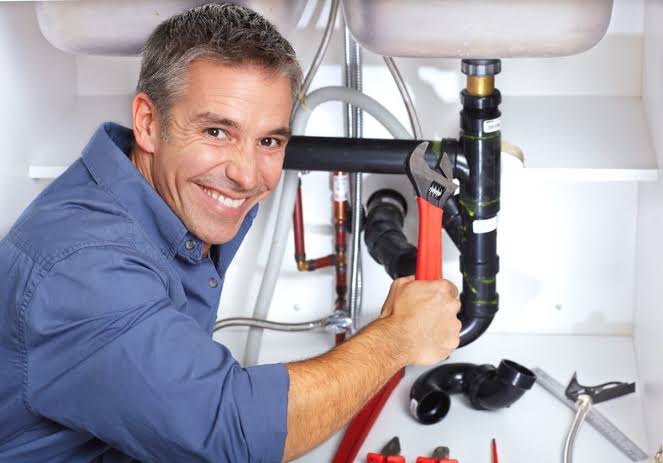
Italy has old stone buildings, modern apartment blocks, busy hotels, and thousands of homes that need reliable water, heating, and drainage. Behind all of it stands a trade that rarely gets the credit it deserves: plumbing.
That is why plumber jobs in Italy attract skilled tradespeople from across South Asia, Eastern Europe, North Africa, and beyond. Plumbing is a recognised skilled trade, demand for experienced workers is steady, and the pay is usually better than in unskilled sectors.
But the path is not as simple as social media suggests. Fake agents sell “guaranteed plumber visas” for large sums, and many applicants lose money. This guide explains what plumbers do in Italy, how legal hiring works, what you might earn, which qualifications matter, and how to protect yourself.
Why Does Italy Need Plumbers?
Several factors keep demand for plumbing professionals strong:
- An ageing trades workforce: Many Italian plumbers are approaching retirement, and fewer young Italians are entering manual trades.
- Old housing stock: Italy has many historic buildings that need repairs, upgrades, and renovation.
- Energy efficiency projects: Heating system upgrades, heat pumps, and renovation incentives have increased demand for installers.
- Tourism and hospitality: Hotels, restaurants, and holiday rentals need regular maintenance.
- Construction and renovation: New builds and remodelling projects need skilled pipework and heating installation.
Because of this, small plumbing firms, construction companies, and maintenance contractors often struggle to find enough qualified staff.
Read Also: House Cleaning Jobs in Italy
Types of Plumbing Jobs in Italy
The word “plumber” covers several specialisations. In Italian, the general term is idraulico.
1. Residential Plumber
You install and repair taps, toilets, showers, water heaters, and pipes in homes and apartments. This is the most common role and suits workers who enjoy customer interaction.
2. Heating and Boiler Technician
Italy has a strong focus on heating systems. These specialists install, service, and repair boilers, radiators, underfloor heating, and increasingly heat pumps. This area often requires extra certification.
3. Construction Site Plumber
You work on new buildings, installing pipework as part of a larger construction team. Projects are usually scheduled, and teamwork is important.
4. Industrial and Commercial Pipefitter
Factories, hospitals, and large buildings need complex pipe systems. These roles are more technical and often better paid.
5. Maintenance Plumber
You are employed by a hotel, hospital, or property manager to handle ongoing repairs and inspections.
6. Self-Employed Plumber
Experienced plumbers sometimes set up their own business, but this involves registration, insurance, and compliance requirements that are not simple for newcomers.
What Does the Daily Work Look Like?
A typical day depends on the role, but common tasks include:
- Reading plans and technical drawings
- Installing and connecting pipes, valves, and fittings
- Fixing leaks, blockages, and faulty fixtures
- Installing bathrooms, kitchens, and water heaters
- Testing pressure and checking safety
- Working alongside electricians, builders, and tile fitters
- Explaining the work and costs to customers
The work is physical and sometimes uncomfortable, involving tight spaces, heavy tools, and emergency call-outs. But it also brings variety, problem-solving, and the satisfaction of fixing something people urgently need.
Italian regulations on safety, gas, and heating systems are strict, so accuracy matters more than speed.
How Much Do Plumbers Earn in Italy?
Pay depends on experience, region, employer, and type of work. Employees in construction and related trades are usually covered by national collective labour agreements, which set minimum wage levels and working conditions.
In general terms:
- Entry-level or assistant plumbers usually earn a modest monthly wage, often in the region of €1,300 to €1,700 net per month.
- Experienced, qualified plumbers may earn roughly €1,700 to €2,500 net per month, sometimes more in big cities or specialised roles.
- Heating and boiler specialists and industrial pipefitters can earn higher rates.
- Northern regions such as Lombardy, Veneto, and Emilia-Romagna generally pay more than the south, though living costs are also higher.
- Self-employed plumbers can earn more but carry business costs and risk.
These are broad estimates, not guarantees. Always check your written contract and the applicable collective agreement. Legally employed plumbers also receive social security contributions, paid leave, and a severance allowance, which add real long-term value.
Requirements: What Employers Look For
Italian employers typically want:
- Proven plumbing experience, ideally several years
- Technical knowledge of pipes, fittings, heating, and sanitary systems
- Basic Italian, essential for safety rules, customer contact, and reading instructions
- Physical fitness and the ability to work in different conditions
- A driving licence, which is a significant advantage for call-out work
- Reliability and professionalism, especially when working in customers’ homes
- Safety awareness and willingness to follow regulations
Short, practical skill tests are common during hiring, so be prepared to demonstrate what you know.
Qualifications and Certification
This is one of the most important areas for foreign plumbers.
Recognition of Foreign Qualifications
Plumbing and heating installation in Italy is a regulated activity in many contexts, especially for gas, heating, and certified installations. Working as a regular employee under supervision is different from working independently or signing off installations.
Depending on your situation, you may need to have your foreign qualifications or experience assessed or recognised by the relevant Italian authorities. Requirements vary, so check current rules rather than assuming your certificate will be accepted automatically.
Why This Matters
- Employers prefer candidates whose experience is documented.
- Self-employment generally requires meeting formal professional requirements.
- Certain safety-related work requires specific authorisation.
Collect your certificates, training records, and employer references early, and consider getting them officially translated.
How Foreigners Can Legally Work in Italy as Plumbers
There is no visa you can buy, and no agent can guarantee one. Legal employment usually follows the routes below.
The Decreto Flussi (Quota System)
Each year, Italy publishes a decreto flussi, setting quotas for foreign workers in employment categories. Construction and skilled trades have often been among the sectors covered, though numbers and eligible countries change.
The general process:
- An Italian employer applies through the official online procedure during the application window.
- If approved, authorities issue a nulla osta (work authorisation).
- The worker applies for a work visa at the Italian embassy or consulate in their home country.
- After arrival, the worker signs a contract of stay and applies for a permesso di soggiorno (residence permit) within the required deadline.
The key point is that the employer starts the process, not an agent collecting fees. Always confirm current rules through the Italian Ministry of Interior, the Ministry of Foreign Affairs, or the embassy.
Other Legal Routes
- EU citizens can work in Italy without a visa.
- People already holding a valid Italian residence permit that allows work can look for plumbing jobs within its limits.
- Some skilled worker routes and permits may apply in specific cases, so check eligibility with official sources.
Step-by-Step: How to Find and Apply for Plumber Jobs
Step 1: Document Your Experience
Prepare a clear CV listing the types of plumbing you have done, the projects you worked on, and your tools and certifications. Photos of completed work can help.
Step 2: Gather and Translate Documents
Collect your passport, certificates, and references. Get important documents translated into Italian where needed.
Step 3: Learn Basic Italian
Technical vocabulary matters. Learn words for pipes, valves, leaks, tools, and safety instructions.
Step 4: Search Through Legitimate Channels
- Official embassy and government information
- Licensed recruitment agencies registered with your national overseas employment authority
- Italian plumbing firms, construction companies, and trade associations
- Reputable job portals, used carefully
Step 5: Verify the Employer
Confirm that the company exists, has proper registration, and is able to apply through the quota system. A genuine employer will answer questions openly.
Step 6: Insist on a Written Contract
Make sure it states your role, salary, working hours, benefits, and duration. Never rely on chat messages or verbal promises.
Step 7: Complete the Visa Process
Follow the embassy’s instructions, attend interviews, and submit complete documents.
Warning: Beware of Job Scams
Fake “plumber jobs in Italy” offers are widespread online. Watch for these red flags:
- Agents demanding large upfront payments for a “guaranteed” visa
- No named employer, company details, or contract
- Pressure to pay “before the quota closes”
- Requests for payment into personal accounts
- Advice to travel on a tourist visa and look for work later
- Unrealistically high salaries
How to protect yourself:
- Check agents’ licences with your national overseas employment authority
- Confirm procedures with the Italian embassy
- Keep receipts and records of all communication
- Speak with people who have used the legal route
Working without authorisation can lead to exploitation, unpaid wages, and deportation, and may harm future applications.
Living and Working in Italy
Accommodation
Rent varies widely. Northern cities such as Milan and Bologna are expensive, while smaller towns are cheaper. Some employers help with housing, but do not assume it.
Work Culture
Italian workplaces value punctuality, skill, and good customer manners. Smaller firms are often family-run, and reputation matters a great deal.
Language
Italian is the biggest factor in your career growth. The better you communicate, the more responsibility and pay you can earn.
Rights and Support
Legally employed workers have rights to safe conditions, fair pay, rest, and social security. Trade unions offer help with contract questions and disputes.
Advantages and Challenges
Advantages
- Skilled trades are valued and often better paid than unskilled roles
- Strong demand in many regions
- Opportunities to specialise in heating and energy systems
- Potential to grow toward senior roles or self-employment
- Social security benefits and possible long-term residence for those who remain legal
Challenges
- Language barrier, especially with technical terms
- Qualification recognition can be complex
- Strict safety and gas regulations
- Competitive and slow visa processes
- Physically demanding work
- Risk of exploitation if work is undeclared
Tips to Improve Your Chances
- Build documented experience. Reference letters from past employers help.
- Learn technical Italian. It sets you apart.
- Check qualification rules early. Don’t wait until you arrive.
- Stay informed. Watch for decreto flussi announcements each year.
- Be patient. The legal process can take months.
- Keep learning. Training in heat pumps, solar thermal, or gas safety can raise your value.
Conclusion
Plumber jobs in Italy offer a genuine opportunity for experienced tradespeople, backed by steady demand and a legal framework for foreign workers. But success comes from doing things correctly: verifying employers, understanding qualification rules, insisting on a written contract, and ignoring anyone selling visa shortcuts.
The legal route takes time, but it protects your money, your rights, and your future. If you are serious, start by documenting your experience, learning Italian, and following official announcements.
Frequently Asked Questions (FAQ)
1. Can foreigners work as plumbers in Italy?
Yes, but non-EU citizens generally need work authorisation through the employer-led quota system or another valid permit.
2. Do I need to speak Italian?
Basic Italian is strongly recommended. You need it for safety, customers, and instructions.
3. Is experience required?
Yes, in most cases. Experienced plumbers are far more likely to be hired than complete beginners.
4. How much does a plumber earn in Italy?
Pay varies by experience, region, and employer. Check the collective agreement and your contract for exact terms.
5. Will my foreign qualification be accepted?
Not automatically. Recognition rules vary, especially for gas and heating work, so check with the relevant Italian authorities.
6. Can I work on a tourist visa?
No. Working on a tourist visa is illegal and risky.
7. Should I pay an agent for a guaranteed visa?
Be very cautious. Nobody can guarantee a visa. Verify any agent’s licence and details with official sources before paying anything.
8. Where can I find reliable information?
Use the Italian embassy or consulate, the Italian Ministry of Interior, and your country’s official overseas employment regulator.
Disclaimer: Visa rules, quotas, qualification requirements, and wage levels change regularly. Treat this article as general guidance and confirm current requirements with official Italian authorities before making any decisions or payments.